
Tea Cup - Ceramic
Details
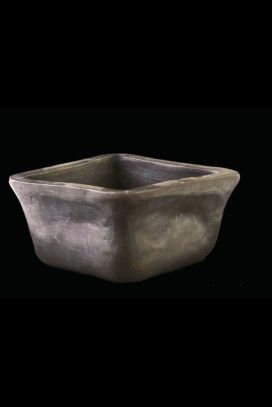
Ceramic teacups made using unique studio pottery skills are among the bestselling range at goroots. It is one of the most stylish products one could ever have. Plus, the mug features an amazing shape that provides the desired comfort and it is just great to hold and take sips off it. Unlike other mugs, this one is exclusively handmade following simple yet tedious steps in studio pottery. Both preferred for utility as well as aesthetics, the Tea Cup Ceramic features a shiny black gloss with an out-of-the-ordinary shape. The neck and the lower bottom part of the mug sports a contrasting pale tint which distinct the rest of its shape. Hot drinks will remain hotter and the stoneware is made using lead-free glazes that are food safe as well. You are purchasing the actual product pictured in here.
About Studio Pottery
Studio Pottery is basically made by modern artists who generally work alone or in small groups. They produce one-of-a-kind items of pottery, but in limited quantities that would suffice a small market. Ideally, all the stages of final manufacturing process are carried out by not more than one individual.
By and large, the modern Studio Pottery focuses on creating artistic tableware and cookware. Lately though, an increasing number of studio pottery workers have started producing sculptures and non-functional items.
In India, only select potters are still engaged in Studio Pottery. In recent times however, this beautiful form of pottery, is unable to sustain due to immense competition from its charlatan counterparts that are available at cheap prices. As the art is unique and produces limited though eye-catching earthenware, every item is special and due to its quality of being exclusively handmade, each artefact differs from the other in terms of shape, size, colour etcetera.
Studio Pottery Manufacturing Process
Great amount of ardour and sheer talents go into the making of studio pottery products. The entire process is as elaborate as it could be, though in a nutshell it is as under:-
With primary mineral Kaolinite, aluminium oxide, silicon oxide and water is used in certain proportions. Unlike other types of pottery, studio pottery discards the use of lead, one of the harmful additives according to the industry standards.
Mixing of the Clay
The powdered clay is moistened with water. About 30% water is used to mix and re-mix the pounded clay so that the water is evenly distributed throughout. The excessive water is forced out and very less quantity is left with the clay, making it look thick and dry like a cake. The cake is then shaped into cylindrical forms that are now ready to be casted and moulded.
Jiggering
Jiggering is a process that re-forms the cylindrical shape of the clay cake into a hollow pot. Wares such as vases are made using the jiggering machines. Before the final stages of glazing and firing, the cleaned pieces are placed on a belt that continuously moves leading to the tunnel dryers, which heat the pieces to reduce the water content.
Glazing
The inside of the hollowware such as vases, is sprayed manually with glaze to ensure that it is completely coated from within. Some pieces are decorated by hand, using lines or concentric rings.
Firing
The artefacts are subjected to be heated at scorching temperatures of 1250 Celsius with the help of gas, coal or electricity. The pottery consisting of single-colour production, require only one firing with new glazes and kilns. New production glazes do not require more than one firing, except for those which are to be made into dull white or bisque hard body.
Quality control checks are done very often, especially regarding new raw materials, furnace and glazes. According to the Food and Drug Administration (FDA), glazes must be lead-free as well as no particle of cadmium should be found.
Related
Products.....

-

Secure Payment
100% secure payment
-

24/7 Support
Online top support